

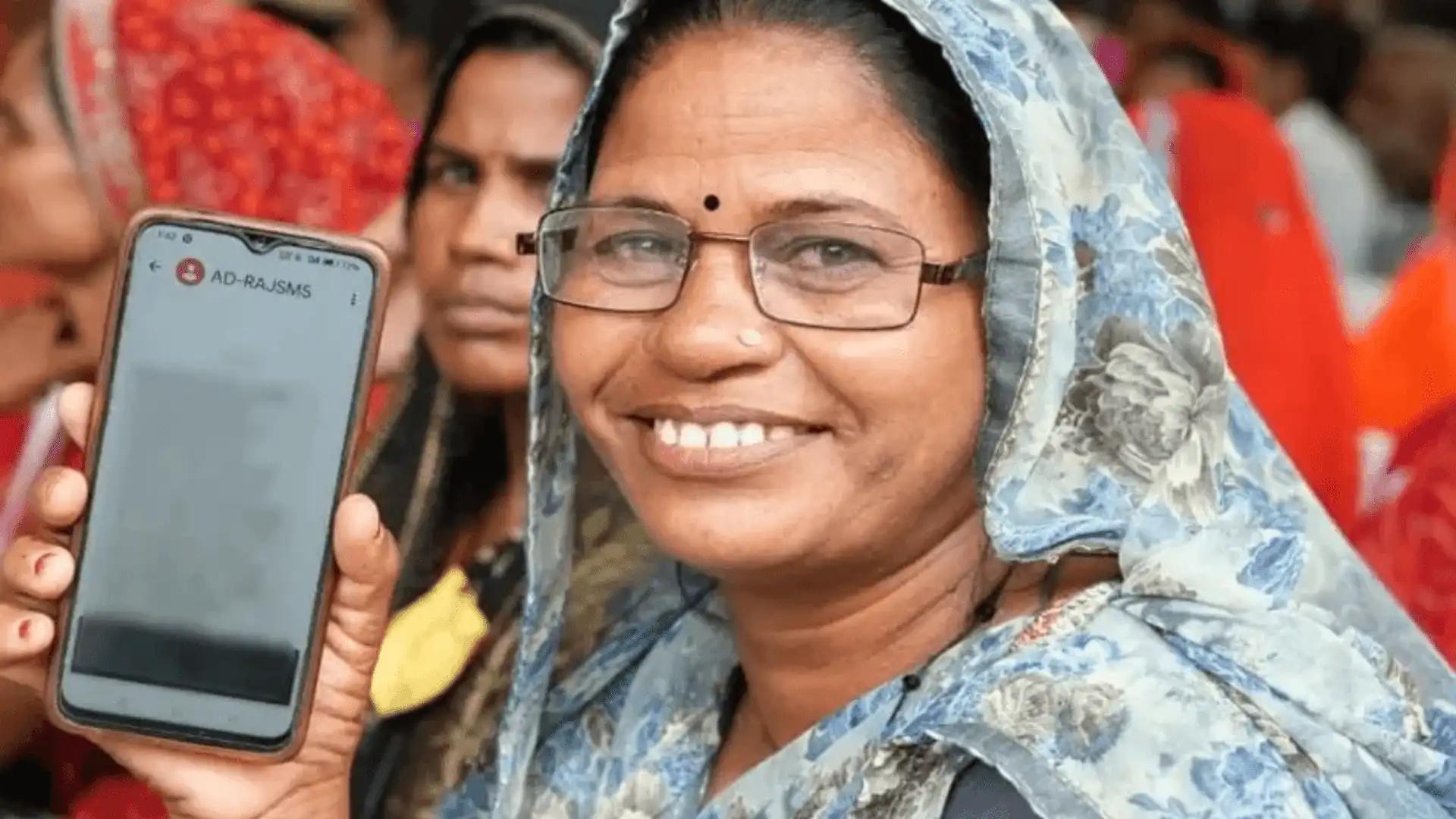
The Free Mobile Yojana is a plan started by the government to give free smartphones or tablets to people.
It is mainly for students, women, and families who do not have much money.
The goal is simple: help them study online, use government apps, and stay in touch with others. Each state has its own rules, so the benefits can be a little different depending on where you live.
Latest Updates
-
The UP government has allocated a ₹3,000 crore budget to distribute free smartphones and tablets to nearly 1 crore students. This includes those in graduate, postgraduate, diploma, ITI, technical, medical, nursing, and skill-development courses.
-
So far, about 2.5 lakh devices have already been distributed, and the next phase aims to reach an additional 5 lakh students soon.
-
The scheme, also known as DigiShakti Yojana, continues its push to bridge the digital gap and empower youth across UP.
State-Wise Free Mobile Yojana
| State / Scheme | Target Group | Device | Benefits | Eligibility |
|---|---|---|---|---|
| UP – DigiShakti | Students (college, diploma, ITI, medical, nursing) | Smartphone / Tablet | Online classes, govt apps, digital skills | UP resident, enrolled in a recognised institution, priority to poor families |
| Rajasthan – IGSY | Women (Chiranjeevi families, widows, girls, MNREGA workers) | Smartphone + Data | Free phone + 3 years of internet, education, empowerment | Rajasthan resident must be in the eligible category list |
| Chhattisgarh – SKY | Rural households (via PDS) | Smartphone | Rural connectivity, government services access | Must be a rural resident, PDS beneficiary |
| Odisha | Women farmers | Smartphone (TBD) | Info on farming, government updates | Odisha resident, registered farmer |
| Other States – Mukhyamantri Yojana | Poor & underprivileged | Smartphone / Data | Education, communication, govt apps | State resident, low-income group |
How to Apply Online for Free Mobile Yojana: Step-by-Step
Step 1. Visit the official scheme website.
Step 2. Click on “Apply Online / Registration”.
Step 3. Fill in personal and contact details.
Step 4. Enter your education details.
Step 5. Upload required documents.
Step 6. Submit the application form.
Step 7. Save your application/registration number.
Step 8. Check your status on the portal.
Step 9. Collect your device on the notified date.
Be careful; many fake sites claim to give free mobiles. Always use the official government portals (like digishakti.up.gov.in or igsy.in).
Don’t pay money, don’t share OTPs, and avoid random WhatsApp/SMS links. Check only through trusted state sites.
Distribution Process
- Verification of beneficiaries: The government checks applications and confirms the final list.
- Names shared with institutions: schools, colleges, or local offices get the beneficiary list.
- Official announcement: The state portal or local administration publishes dates for distribution.
- Distribution camps/events: devices are handed out in colleges, universities, or government centres.
- Identity check at venue: Aadhaar card and admission/ID card are verified before giving the device.
- Device handover: The beneficiary receives a smartphone/tablet, sometimes with a pre-activated SIM or internet pack.
- Acknowledgement: the beneficiary signs or gives biometric confirmation after receiving the device.
Frequently Asked Questions
Can I Choose the Brand or Model of the Smartphone I’ll Get?
No, the government decides the brand and model through bulk contracts, so beneficiaries cannot pick.
What Happens if My Device Gets Damaged or Lost?
The government doesn’t provide replacements; repairs or new devices are the responsibility of the beneficiary.
Do I Need to Return the Smartphone/Tablet After Finishing My Studies?
No, once distributed, the device belongs to the beneficiary permanently.
Will These Devices Come with Pre-Installed Apps?
Yes, most devices are preloaded with government apps and e-learning tools relevant to the scheme.
Can Multiple Members of the Same Family Get Devices?
Yes, if they individually meet eligibility criteria (like two siblings in college), both can receive separate devices.