
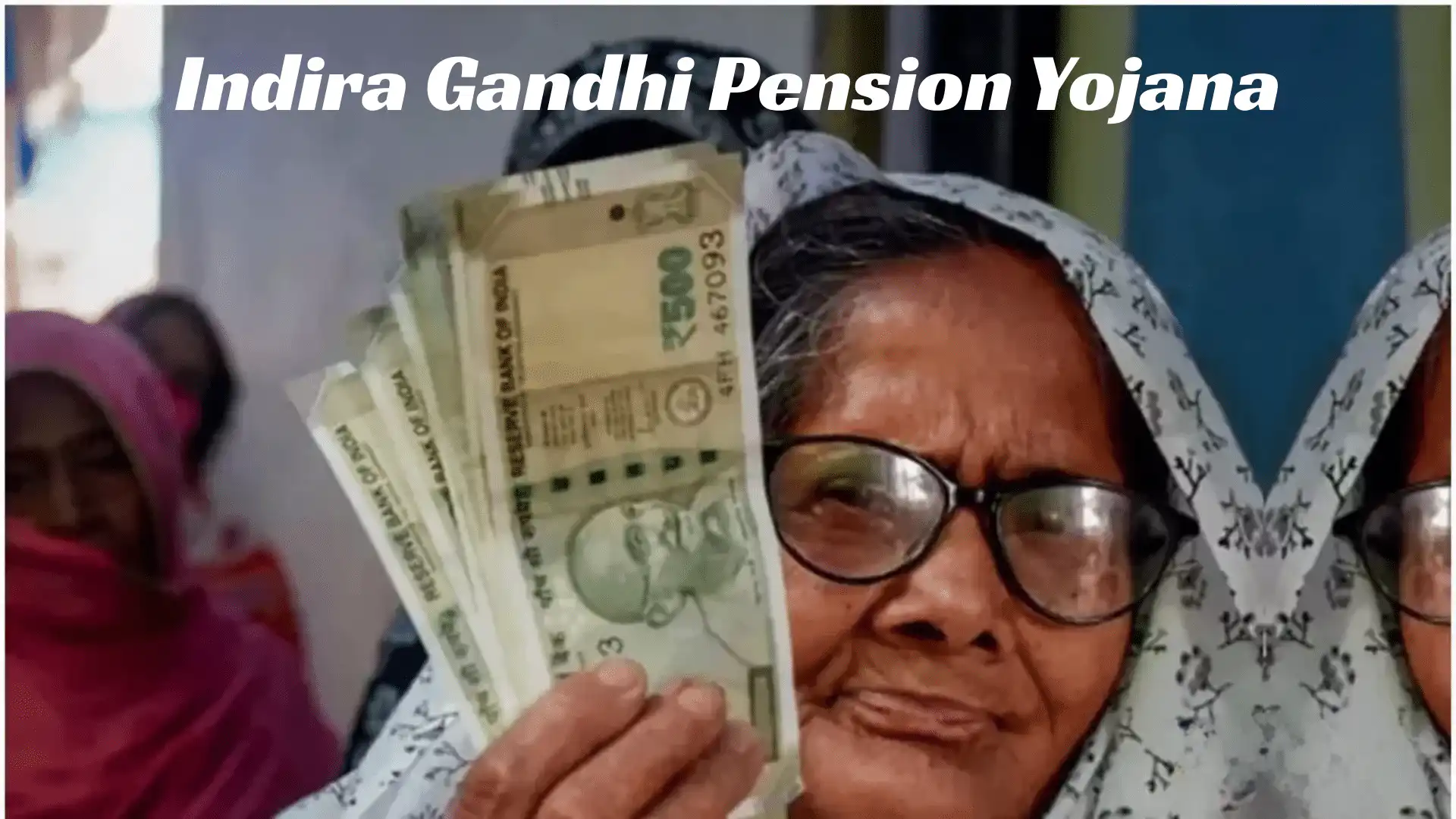
Launched in 1995 under NSAP, the scheme provides monthly pensions to BPL families, covering senior citizens (60+), widows (40–79), and persons with severe disabilities. Pensions are credited directly via DBT, with higher benefits for those 80+ and additional top-ups by some states.
Benefits
- Monthly financial aid for elderly, widows, and disabled persons.
- Higher pension for beneficiaries aged 80+.
- Extra support from some state governments.
- Direct Benefit Transfer (DBT) ensures timely payments.
- Simple application via UMANG app, state portals, or local offices.
Eligibility Criteria for Indira Gandhi Pension Yojana
The Indira Gandhi Pension Yojana, implemented under the National Social Assistance Programme (NSAP), is meant for individuals and families living below the poverty line (BPL).
Eligibility varies based on the type of pension:
| Scheme | Eligibility | Age Requirement | Other Conditions |
|---|---|---|---|
| Indira Gandhi National Old Age Pension Scheme (IGNOAPS) | Must belong to a BPL household | 60 years and above | Should not be receiving any other central/state government pension |
| Indira Gandhi National Widow Pension Scheme (IGNWPS / Vidhwa Pension) | Must be a widow from a BPL family | 40–79 years | The applicant must not have remarried; death certificate of the husband is required |
| Indira Gandhi National Disability Pension Scheme (IGNDPS) | Must be a person with disability from a BPL household | 18–79 years | Disability must be 80% or more, certified by competent authority |
In all cases, applicants need to provide:
- Aadhaar card
- Proof of age (birth certificate, voter ID, etc.)
- BPL certificate or SECC proof
- Bank account details for Direct Benefit Transfer (DBT)
Step-by-Step Application Process for Indira Gandhi Pension Yojana
Learn how to apply for the Indira Gandhi Pension Yojana with this simple step-by-step process covering eligibility, documents, online and offline application, and status tracking.
Step 1: Check Eligibility
Make sure you belong to a BPL household and meet the scheme requirements, 60 years or above for Old Age Pension, 40–79 years for Widow Pension, and 18–79 years with 80% disability or more for Disability Pension.
Step 2: Collect Documents
Keep ready your Aadhaar card, proof of age, BPL certificate, bank account details, and if required, the husband’s death certificate (for widows) or a disability certificate (for persons with disabilities).
Step 3: Apply Online
You can apply using the UMANG app by selecting the NSAP Pension Scheme, filling the online form, and uploading documents.
Alternatively, visit your state’s social welfare portal, complete the form, and submit it online.
Step 4: Apply Offline
If you prefer, visit the nearest CSC (Common Service Centre), Gram Panchayat, or District Social Welfare Office.
Collect the pension application form, fill it, attach documents, and submit it to the officer. You will receive an acknowledgement slip or application number.
Step 5: Verification
The authorities check your documents and eligibility. If all details are correct, your application is approved.
Step 6: Pension Sanction and Payment
Once approved, your pension will be sanctioned. The monthly amount is transferred directly into your bank account via Direct Benefit Transfer (DBT).
Step 7: Track Application Status
Use the UMANG app or the respective state portal to check your application status with your reference number. Statuses may show as Submitted, Under Verification, Approved, Rejected, or DBT Initiated.
Frequently Asked Questions (FAQs)
Can I Get This Pension Along with Another Government Pension?
No, you can only receive one pension at a time.
How Long Does it Take to Start Getting the Pension?
Usually between 30 and 90 days after approval.
What if My Pension is Delayed?
Check the status on UMANG or the state portal, then contact your bank or welfare office.
Is Aadhaar Mandatory?
Yes, Aadhaar linked with your bank account is generally required.
Do I Need to Renew My Pension Every Year?
Yes, many states require annual verification or a life certificate.