

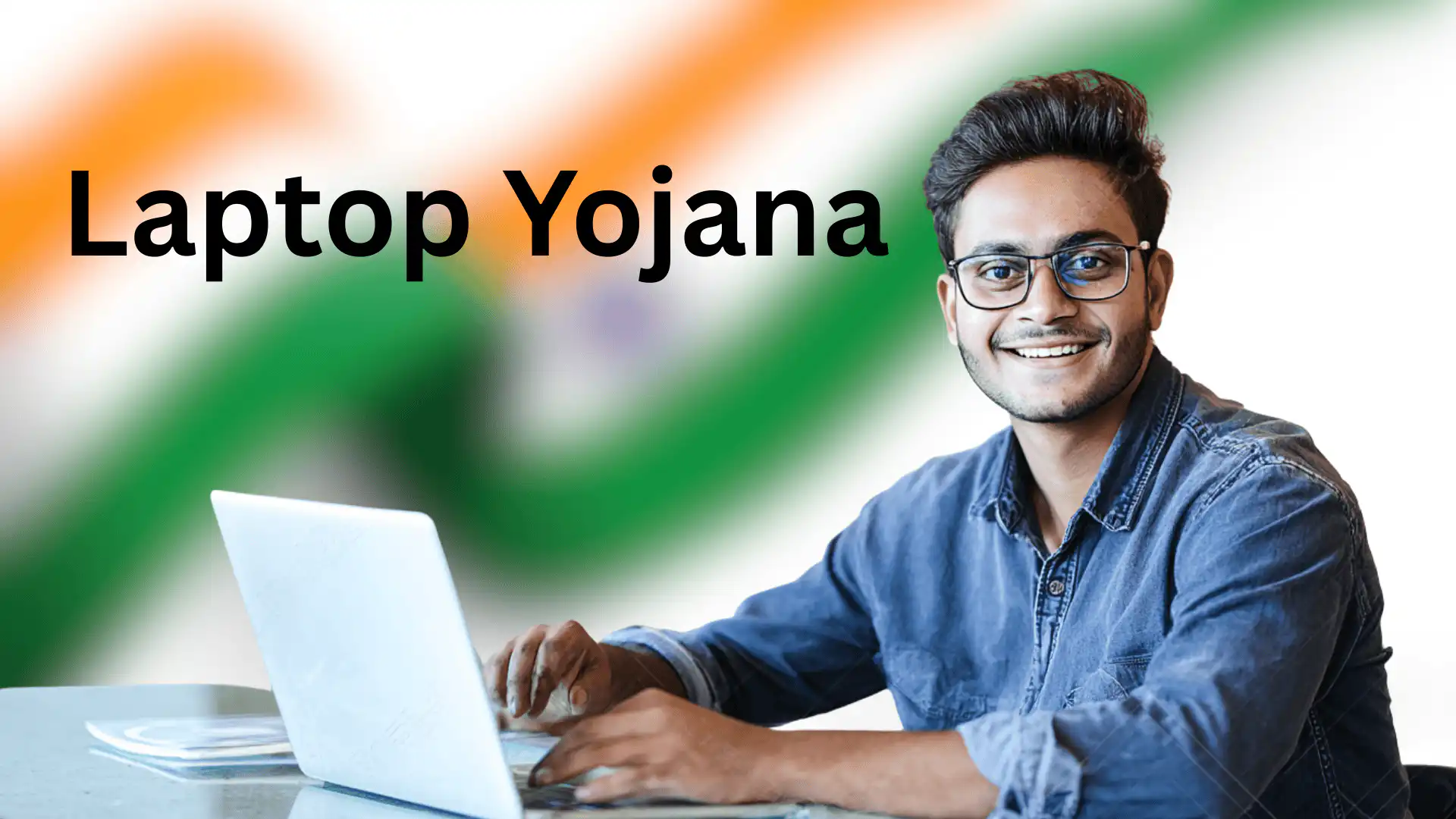
The Laptop Yojana is a government scheme that gives free laptops to students who score good marks in their exams.
Different states in India run their own laptop schemes. There is no single scheme for the whole country.
States like Uttar Pradesh, Madhya Pradesh, and Rajasthan have their own programs. The main goal is to help students who cannot afford laptops.
The government aims to provide all students with access to computers for their academic studies.
This scheme primarily benefits students who pass 10th and 12th grade with good grades. It also helps students from poor families get digital education tools.
Eligibility Criteria for the Laptop Yojana
Students must meet certain requirements to get a free laptop from the government. Each state has its own set of rules, but most states follow similar basic requirements.
| Criteria | Requirements |
|---|---|
| Residence | Must be a permanent resident of the state |
| Academic Performance | Minimum 60-80% marks in 10th or 12th exams |
| Educational Stream | Students from recognized state boards, CBSE, and ICSE |
| Income Limit | Family income below the state-specified limit |
| Course Level | 10th, 12th, ITI, and Polytechnic students |
| Previous Benefits | Should not have received a laptop from other schemes |
The exact percentage and income limits change from state to state. Students should check their state’s official website for specific details.
Note: These criteria may vary by state and scheme. Always verify current requirements from official government sources.
Step-by-Step Guide: How to Apply for the Laptop Yojana
The application process varies by state. Some states automatically select students, while others require students to submit online applications.
Step 1: Check Your State’s Official Website
Visit your state government’s education department website. Look for the laptop scheme section or the Free Laptop Yojana page. Make sure you are on the official government website to avoid fake sites.
Step 2: Find the Scheme Registration Link
Search for “Laptop Yojana” or “Free Laptop Scheme” on the website. Click on the registration or application link. Some states may have different names for their laptop schemes.
Step 3: Create an Account and Fill the Application Form
Register on the portal with your personal details. Fill the online form with your name, address, exam details, and family information. Ensure that all information is accurate and matches the details in your documents.
Step 4: Upload Required Documents
Scan and upload all necessary documents, such as mark sheets, Aadhaar cards, and income certificates. Ensure the documents are clear and legible. Save copies of uploaded documents on your computer.
Step 5: Review and Submit Application
Check all details carefully before submitting. Once submitted, you cannot change the information. Download and print the application form for your records.
Step 6: Keep Application Number Safe
Note down your application number or reference number. You will need this to check your application status later. Keep the printed application form in a safe place.
Required Documents for Application
Students need to prepare several documents before applying for the laptop scheme. Having all documents ready makes the application process faster and easier.
Essential Documents:
- Aadhaar Card of the student
- 10th or 12th grade marksheet and passing certificate
- Domicile or residence certificate
- Family income certificate
- Recent passport-sized photograph
- School or college ID card
- Active mobile number and email address
- Bank account details (for some schemes)
Make sure all documents are valid and not expired. Keep both the original and photocopies ready when applying for the scheme.
State-Specific Examples (Case Studies)
Different states run their laptop schemes in different ways. Here are examples of how three major states implement their programs.
Uttar Pradesh
UP runs the Swami Vivekananda Laptop Yojana for students who pass the 10th and 12th exams. The scheme covers students from UP Board, CBSE, and ICSE schools. Students need good marks to qualify for free laptops under this program.
This scheme aims to empower young people with digital skills and tools to support their education and career development. The government provides laptops, tablets, and smartphones to eligible students.
Madhya Pradesh
MP gives ₹25,000 cash instead of laptops to eligible students. Students who score 80% or higher on the 12th-grade exams are eligible to receive this money. They can use this amount to buy laptops of their choice from any store.
The cash transfer enables students to select devices that meet their needs and budget, streamlining government logistics and empowering beneficiaries.
Rajasthan
Rajasthan selects students for 8th, 10th, and 12th grades based on merit lists. Students need 75% marks at the state level or 70% at the district level. The government automatically selects eligible students without separate applications.
This system reduces students’ administrative burden and ensures recognition for deserving candidates. It’s a key effort to bridge the state’s digital divide.
Benefits of the Scheme
The laptop yojana offers numerous advantages beyond simply providing free laptops to students. These benefits help students in their education and future career growth.
- Digital Access – Students from poor families get access to modern technology.
- Online Learning – Enables students to attend online classes and utilize e-learning platforms.
- Skill Building – Students acquire the computer skills necessary for future employment.
- Research Tools – Easy access to internet research for projects and assignments.
- Career Growth – Digital literacy helps the skills of students in higher education and employment.
These benefits help bridge the gap between students who have technology and those who don’t. The scheme creates equal opportunities for all students to succeed in the digital world.
Conclusion
The Laptop Yojana is a crucial government initiative that enables students to access digital educational tools.
Students who perform well in their 10th and 12th exams can benefit from these state-level schemes.
The eligibility criteria and application process vary by state; therefore, students should check their local government websites for accurate information.
These schemes bridge the digital divide, providing equal opportunities for education and learning. Students should apply promptly when schemes are announced in their states.
Having all the required documents ready and following the proper application process increases the chances of success in getting a free laptop.
Frequently Asked Questions (FAQs)
Is the Laptop Yojana Available in All States?
No, only some states run laptop schemes. Check your state government website to see if they have this program.
Can Private School Students Apply for This Scheme?
Yes, students from recognized private schools can apply if they meet the other eligibility criteria, such as marks and income limits.
What Happens if I Don’t Meet the Minimum Percentage Requirement?
You cannot apply for the scheme if you don’t have the required marks. Each state has fixed percentage limits.
How Do I Know if My Application Is Approved?
Check the official website with your application number or wait for a notification from your school or college.
Can I Apply if I Already Have a Laptop?
Most schemes don’t allow students who have already received laptops from other government programs to apply again.